Showing posts with label cure: cancer. Show all posts

Sunday, May 9, 2010

the Anticancer Diet.

The Anticancer Diet.

Please see the excellent book Anticancer: A New Way of Life

The most promising cancer fighters:

1. Turmeric -- anti-inflammatory; encourages cancer cell death; inhibits tumor growth; enhances the effectiveness of chemotherapy; most effective when it's mixed with black pepper and dissolved in oil (olive); add a teaspoon daily to a teaspoon of olive oil and pinch of ground pepper -- add this to vegetables, soups, or salad dressings. IF YOU HAVE CANCER, use a tablespoon daily.

2. Ginger -- powerful anti-inflammatory; combats certain cancer cells and helps slow tumor growth; can help alleviate nausea; juice 2-4 inches of ginger daily; or add shredded to meals or stir fries or fruit salads; you can also make ginger tea by adding slices of it to boiling water and, if desired, add black pepper, cardamom, cloves, and cinnamon to make a delicious ginger yogi tea

3. Green tea -- reduce growth of new blood vessels that feed tumors; powerful antioxidant adn detoxifier (activates enzymes in the liver that eliminate toxins from the body); encourages cancer cell death; shown to improve effect of radiation on cancer cells; drink 2-3 cups a day; must be brewed fresh and drunk within an hour of brewing; must steep the tea for at least 5-8 minutes to release the effective catechins in the tea

4. Pomegranate juice -- antioxidant & anti-inflammatory properties; reduces development of even the most aggressive cancers such as prostate, among others; drinking it daily slows the spread of established cancers by up to 50%

5. Brussels Sprouts, bok choy, chinese cabbage, broccoli, cauliflower -- all contain sulforaphane and indole-3-carbinols (I3Cs), two potent anticancer molecules; help detoxify certain carcinogenic substances and can help precancerous cells from turning into malignant cells; also promote suicide of cancer cells and block tumor growth; eat raw or lightly steamed; or juice them; do not boil them - this destroys their healing properties

6. Garlic, onions, leeks, shallots, chives -- the sulfur compounds in these foods help destroy colon, breast, lung, and prostate cancer cells, among others; lower risk of kidney and prostate cancers in people who eat the most garlic; can be eaten raw, mixed in salads, or layered on sandwiches

7. Soy products -- Contain isoflavones that prevent tumor growth abnd block stimulation of cancer sells by sex hormones; eat miso, edamame, tofu, soy milk/yogurt

8. Fatty fish -- essential fatty acids in certain fish (wild salmon, smaller fishes) help to slow cancer cell growth

9. Oranges, tangerines, lemons, grapefruits -- contain flavonoids/antioxidants that stimulate bodily detoxification of cancer carcinogens by the liver

10. Berries -- contain ellagic acid and large numbers of polyphenols, which inhibit tumor growth; two of them promote cancer cell death

11. Chocolate -- If it contains over 70% cocoa, it provides antioxidants, proanthocyanidins, and many polyphenols; a square of dark chocolate contains twice as many as a glass of red wine and nearly as many as a glass of green tea; eat dark chocolate (at least 70%) not milk chocolate; eat 1/5 of a chocolate bar daily

Note: Also, dairy has been linked in research studies to the proliferation of cancer cells...100% of the time. (See The China Study)

Note: Meat also has been implicated in higher prevalence of cancer cell creation and proliferation.

Note: Conventional produces contain pesticides - in other words, they are filled with poisons. Do not eat them.

I love you and wish you health & wellness.

Share this on Facebook: Share

Saturday, July 25, 2009

Recommendations for Cancer Prevention from the American Institute for Cancer Research

Recommendations for Cancer Prevention from the American Institute for Cancer Research

1. Be as lean as possible within the normal range of body weight.
2. Be physically active as part of everyday life.
3. Limit consumption of energy-dense foods. Avoid sugary drinks.
4. Eat mostly foods of plant origin.
5. Limit intake of red meat and avoid processed meat.
6. Limit alcoholic drinks.
7. Limit consumption of salt. Avoid moldy cereals (grains) or pulses (legumes).
8. Aim to meet nutritional needs through diet alone.


******************************************************
If you enjoyed this, would you please make a donation?
Even $1 or $5 helps us to serve you.


Monday, July 6, 2009

Fatty Diet Linked to Pancreatic Cancer

Fatty Diet Linked to Pancreatic Cancer
Study: High-Fat Diet, Especially Those Rich in Animal Fats, Tied to Increased Risk of Pancreatic Cancer
By Miranda Hitti WebMD Health News Reviewed by Louise Chang, MD June 26, 2009
Link to full article below

New research shows that people who eat a high-fat diet may be more likely to develop pancreatic cancer, especially if their dietary fat comes from animal foods, such as meat and dairy products.

That finding appears in the July 15 edition of the Journal of the National Cancer Institute.

"Our study demonstrated a positive association between dietary intake of total fat, particularly fat from animal sources," researcher Rachael Stolzenberg-Solomon, PhD, RD, tells WebMD. "The strongest associations we observed were from meat and dairy products."

Please read the full article: http://www.webmd.com/cancer/news/20090626/fatty-diet-linked-to-pancreatic-cancer

******************************************************
If you enjoyed this, would you please make a donation?
Even $1 or $5 helps us to serve you.


Sunday, July 5, 2009

4 Cancers That a Vegetarian Diet Prevents

4 Cancers That a Vegetarian Diet Prevents
Study: Vegeterianism protects against several cancers -- but not all.
By Dan Shapley 7.1.2009 Link to full article below

Want to avoid blood, bone marrow, bladder and stomach cancer? (Um, yes.) Try a vegetarian diet.

A new study published by the British Journal of Cancer and detailed by the BBC said there was a clear correlation between vegetarianism and a reduced cancer risk for those four cancers. Blood and lymph cancers were half as common, bone marrow cancer was 75% less common and stomach cancer 66% less common.

To read the full article: http://www.thedailygreen.com/environmental-news/latest/cancer-vegetarian-47070104?src=nl&mag=tdg&list=dgr


******************************************************
We are monks, & we offer these with love. If you enjoyed this,
would you please make a donation? Even $1 or $5 helps us to serve you.


Thursday, July 2, 2009

Animal fats linked to pancreatic cancer: Study

Animal fats linked to pancreatic cancer: Study
By Caroline Scott-Thomas
29-Jun-2009
link to full article below

Researchers have linked high intake of fat from red meat and dairy products with increased risk of pancreatic cancer, in a study published in the Journal of the National Cancer Institute.

Pancreatic cancer is fatal in 95 per cent of cases, and smoking and obesity are among the known risk factors, but scientists at the National Cancer Institute in Bethesda, Maryland said that previous studies into the impact of fat intake on pancreatic cancer had proved inconclusive.

The authors used data collected by the National Institutes of Health-AARP Health Study to analyze the diets of 500,000 people who had completed food frequency questionnaires in 1995 and 1996. Participants were then followed for an average of six years to track a number of health issues, including pancreatic cancer. Of those sampled, 1,337 were diagnosed with the cancer – 865 men and 472 women.

To read the full article: http://www.foodnavigator-usa.com/Product-Categories/Fats-oils/Animal-fats-linked-to-pancreatic-cancer-Study/?utm_source=Newsletter_Product&utm_medium=email&utm_campaign=Newsletter%2BProduct

Vegetarian diet 'can cut risk of cancer by 45 per cent'

Vegetarian diet 'can cut risk of cancer by 45 per cent'
By Daily Mail Reporter
01st July 2009
link to full article below

Eating a vegetarian diet can almost halve the risk of developing cancer, research suggests.

A study of more than 61,000 individuals aged between 20 and 89 found those who did not eat meat reduced overall incidence of the disease by 12 per cent.

But the most striking difference was in cancers of the blood, including leukaemia and non-Hodgkin lymphoma with 45 per cent fewer cases among the vegetarians.
Assortment of Vegetables

Research suggests there are 45 per cent fewer cases of leukaemia and non-Hodgkin lymphoma among vegetarians

Tumours of the stomach and bladder were also significantly less frequent in this group.

To read the full article:
http://www.dailymail.co.uk/health/article-1196661/Vegetarian-diet-cut-risk-cancer-45-cent.html

Thursday, March 19, 2009

Dark Fruit And Veg May Fight Colon Cancer Cells

Dark fruit and veg may fight colon cancer cells
Source: telegraph.co.uk
17 Mar 2009

UK: Dark-coloured fruits and vegetables may help to protect against colon cancer, research has shown. Scientists found that the chemicals that give foods such as grapes, radishes, purple carrots and bilberries their colour significantly slow the growth of colon cancer cells.

Evidence from experiments on rats and on human colon cancer cells suggests that anthocyanins, the compounds that colour most red, purple and blue fruits and vegetables, slow the growth of the cells by anything from 50 to 80 per cent.

The findings take scientists a step closer to figuring out what gives fruits and vegetables their cancer-fighting properties.

"These foods contain many compounds, and we're just starting to figure out what they are and which ones provide the best health benefits," said Monica Giusti, the lead author and assistant professor of food science at Ohio State University, Columbus, who presented her findings yesterday at the national meeting of the American Chemical Society in Boston.

In studies on human colon cancer cells grown in laboratory dishes, the researchers tested the anti-cancer effects of anthocyanin-rich extracts from fruits and vegetables with deep colours. Anthocyanin pigments from radishes and black carrots slowed the growth of cancer cells from 50 to 80 per cent.

Pigments from purple corn and chokeberries (almost black berries from shurbs native to North America) not only stopped the growth of cancer cells, but also killed roughly 20 per cent of the cancer cells while having little effect on healthy cells.

This was confirmed by measurements which showed the amount of anthocyanin that was needed to reduce cancer cell growth by half. Extract derived from purple corn was the most potent, in that it took
the least amount of this extract (14 micrograms per millilitre of cell growth solution) to cut cell numbers in half. Chokeberry and bilberry extracts were nearly as potent.

Radish extract proved the least potent, as it took nine times as much to cut cell growth by 50 per cent. "All fruits and vegetables that are rich in anthocyanins have compounds that can slow down the growth
of colon cancer cells in experiments in laboratory dishes and possibly inside the body," Giusti told The Daily Telegraph.

In animal studies, rats induced with colon cancer cells were fed a daily diet of anthocyanin extracts either from bilberries and chokeberries, which are used as flavourings or to make jams and juices.

The anthocyanin extracts reduced signs of colon tumours by 70 and 60 per cent, respectively, when compared with control rats.

Giusti says the results suggest that anthocyanins may protect against certain gastrointestinal cancers. But she stops short of recommending one kind of fruit or vegetable over another. "There are more than 600 different anthocyanins found in nature," she said.

"While we know that the concentration of anthocyanins in the gastrointestinal tract is ultimately affected by their chemical structures, we're just beginning to scratch the surface of understanding how the body absorbs and uses these different structures."

Monday, March 16, 2009

Prostate Cancer and Vegetable Consumption

Prostate Cancer And Vegetable Consumption
by Christopher P. Evans, MD, FACS
UroToday.com
23 Feb 2009

http://www.medicalnewstoday.com/articles/139910.php

In the online edition of Molecular Nutrition and Food Research, Ruth Chan and collaborators provided a review on prostate cancer (CaP) and vegetable consumption. There is data that suggests a diet high in vegetable intake can reduce the risk of CaP. The primary mechanism of this protective vegetable effect is antioxidant protection against DNA and cell damage.

Available literature was identified for this review. Of the available studies, 29 were cohort studies, 69 case-control studies, and 4 randomized clinical trials. Highlights of this extensive review are presented herein. Tomatoes and their byproducts contain the carotenoid antioxidant lycopene. Two cohort studies reported tomatoes decreased CaP risk and 3 cohort studies reported a non-significant association. For case-control studies, 2 showed significant decreased risk and 5 showed a non-significant association. One study suggested that the potential benefit was greater in advanced as compared to localized CaP. Overall, studies for tomatoes and lycopenes show inconsistent results on decreasing CaP risk, but lycopene based foods are probably protective.

Yellow orange vegetables contain the antioxidant b-carotene. Data on b-carotene and CaP risk from cohort and case-control studies were inconclusive for a protective effect. Supplemental use of b-carotene was not shown to be protective. Flavonoids are a carbon structure compound ubiquitously present in plant foods and have anti-oxidative and anti-inflammatory properties. They may suppress angiogenesis, induction of apoptosis and down-regulation of hormone receptors expression. Overall there is some evidence suggesting that consumption of legumes, including soy and soy products, is protective against CaP.

Regarding vitamins, vitamin C has had limited study, but with the data available there is no evidence of a protective effect. Vitamin E is a naturally occurring fat-soluble vitamin found predominantly in plant foods and some animal foods. In a supplementation trial, there was suggestion that vitamin E was of benefit, but all the participants were smokers. Two other publications failed to show a benefit, and a preliminary report from the selenium and vitamin E trial does not suggest a benefit. As for allium vegetables which include garlic, onions, leeks, chives, scallions and shallots, while in vitro data suggest a protective benefit, population based studies are limited and a protective effect remains to be determined. Finally, cruciferous vegetables include broccoli, cauliflower Brussels sprouts, cabbage, bok choy, collard greens and kale. These are rich in sulforaphane and indole-3 carbinol, which have anticarcinogenic properties. To date,
population-based studies are limited and a positive protective benefit remains to be determined.

Chan R, Lok K, Woo J
Mol Nutr Food Res. 2008 Dec 8;53(2):201-216
doi:10.1002/mnfr.200800113

Saturday, March 14, 2009

"The Caretenoid Family" May Reduce Cancer Risk

'The Carotenoid Family' May Reduce Cancer Risk

http://www.healthiernews.com/etips/ht200505/ht20050512.html

Don't avoid the 'noids

Beta-carotene has been a buzzword in cancer prevention circles for some time, but that one carotene doesn't tell the whole story. Turns out there are 500-600 carotenoids, 40 of which can be found in the human diet, and 14 of those that can be readily absorbed and used in the body. In addition to the popular beta-carotene, which is highly regarded for its ability to convert to the life-sustaining vitamin A, also of health significance is: alpha carotene, cryptoxanthin, zeaxanthin, lycopene, and lutein.

It has been known for some time that lycopene, another popular carotene, provides protection against prostate cancer. But a recent study has shown that the entire carotenoid family is associated with a reduced cancer risk, prostate cancer in particular.

That means more tomatoes, carrots, spinach, citrus fruits, sweet potatoes, apricots, mangoes, pumpkin, watermelon, and the like. Opt for colorful fruits and vegetables and you'll be on the right track.

Dr. Wright also advises lots of Brassica vegetables such as cabbage, broccoli, Brussels sprouts, and cauliflower. As with breast cancer, keeping your 2/16 ratio of "good" to "bad" estrogens in check is important for you, too. Unfortunately, testosterone can convert to estrogen in a process called aromatization, which can cause your system to get out of whack. Also, if you're in a high-risk category, you should also consider taking supplemental selenium, vitamin D, and vitamin E.

While prostate cancer has a much higher survival rate than many other cancers, it's not to be taken lightly. The truth is that prostate cancer claims 30,000 such lives a year, yet it is almost always curable when detected early, and is highly preventable by making some changes in diet and lifestyle.

Same, but different

Q: I've just heard that Coke and Pepsi are each launching a new soda sweetened with Splenda this year. I've heard people say it's the same as sugar, but low-cal. That doesn't quite sound right to me, though. Are they just trying to pull the wool over our eyes, or is it really a safe new sugar alternative?

JVW: Splenda (sucralose) was introduced in 2000 as an alternative to table sugar. It is 600 times sweeter than sucrose (table sugar), is stable in heat so it can be used for baking, and has no calories. But the truth is, no one really knows about its safety.

There simply are no long-term, independent studies on humans or on heavy consumption. The makers of Splenda claim that it's "made with sugar so it tastes like sugar" implying that it's natural and perfectly harmless.

In all fairness, they do begin with a sugar molecule. But the similarities end there. Sucralose is manufactured in a factory by removing three hydrogen-oxygen atoms from the original sugar molecule and replacing them with three atoms of chlorine. Never, at any time, is this combination found in nature.

The only good thing about the new diet sodas you mention is that they will be clearly labeled with the Splenda brand -- so you'll know to steer clear.

****************************************************

What are...carotenoids?

Carotenoids were first discovered in 1831 when they were isolated in carrots. By 1837 another researcher realized the yellow pigments in autumn leaves were related. This kicked off a flurry of research that extends into a wide variety of fields including chemistry, biochemistry, biology, medicine, and physics to name a few.

Without carotenoids plants would be destroyed soon after sunrise: Their strong antioxidant qualities provide plants with protection against the free radical molecules produced when plants are exposed to sunlight.

Based on the results of numerous studies, it's becoming more and more clear that carotenoids function similarly to the B-complex of vitamins in that they're more powerful together than they are alone. Which is why a rich diet with a full array of carotenoids may provide more health benefits than isolating and supplementing with any one individually.

Yours in good health,
Amanda Ross
Managing Editor
Nutrition & Healing

Sources:
Jian L, Du CJ, Lee AH, Binns CW. "Do dietary lycopene and other carotenoids protect against prostate cancer?" Int J Cancer 2005; 113(6): 1,010-1,014

Thursday, February 26, 2009

Common Mouthwash Products Boost Risk of Oral Cancer by 900 Percent

Common Mouthwash Products Boost Risk of Oral Cancer by 900 Percent

http://www.naturalnews.com/025729.html

(NaturalNews) The use of mouthwashes that contain alcohol as an ingredient can drastically increase a person's risk of cancers of the mouth, head and neck, according to a study conducted by researchers from the Australia's University of Melbourne and University of Queensland School of Dentistry.

Researchers studied use of mouthwash among 3,210 people and compared it with rates of mouth, head and neck cancers.

"We see people with oral cancer who have no other risk factors than the use of [mouthwash containing alcohol], so what we've done is review all the evidence," said lead researcher Michael McCullough, chair of the Australian Dental Association's therapeutics committee,

The researchers found that all participants who used an alcohol-containing mouthwash at least once per day had a significantly increased risk of cancer, independent of other risk factors such as smoking or drinking alcoholic beverages. Among those who both used alcohol-containing mouthwash and regularly drank alcoholic beverages, the risk of cancers of the larynx, pharynx or oral cavity was five times that of people who drank but did not use mouthwash. The risk of cancer in people who smoked and used alcohol-containing mouthwashes was an astonishing nine times that of non-mouthwash-using smokers.

"Since this article, further evidence has come out," McCullough said. "We believe there should be warnings. If it was a facial cream that had the effect of reducing acne but had a four to fivefold increased risk of skin cancer, no one would be recommending it."

The body breaks down alcohol, also known as ethanol, into a carcinogenic compound called acetaldehyde. The researchers note that due to the way that mouthwash is swished around, acetaldehyde may thereby accumulate in the oral cavity.

In addition, the researchers believe that alcohol makes mucus membranes more permeable to other chemicals, allowing nicotine and other carcinogens increased access to the body's tissues.

Sources for this story include: news.scotsman.com.

Tuesday, February 3, 2009

Prevent and Reverse Heart Disease, Cancer, and Diabetes - start now!

Prevent and reverse heart disease, cancer, and diabetes -- start now!
by Peggy Kraus
Disease Prevention Examiner

http://www.examiner.com/x-672-Disease-Prevention-Examiner~y2009m1d4-Prevent--and-reverse-heart-disease-cancer-and-diabetes--start-now

There's no better time than now!

You can prevent and reverse heart disease, cancer, and diabetes, as well as many other chronic illnesses that have been linked to lifestyle, such as osteoporosis, dementia, macular degeneration, rheumatoid arthritis, and multiple sclerosis.

In 1990, Dean Ornish, MD, conducted a small-scale study proving that having positive lifestyle habits can reverse heart disease. The results were published in 1998.

Since then, countless studies have been done to replicate these data. Researchers now have expanded these lifestyle benefits to the include the reversal of other common diseases, such as cancer, diabetes, osteoporosis, dementia, and macular degeneration and their prevention as well.

There are 4 lifestyle habits you should follow to reap the benefits:

1. Eat a low-fat vegetarian (better yet, vegan) diet. Animal products cause inflammation of the body's tissues, and over time, render them dysfunctional and damaging to surrounding tissues..

2. Exercise regularly. Studies have varied recommendations, but they all average 30 minutes a day of moderate exercise on most days or 20-60 minutes of vigorous exercise 3 days a week.

3. Do not smoke. Smoking of any kind is linked to disease and to mortality.

4. Practice stress management. Everyone has stress; some more than others. Learn what is good stress and what is bad stress, and what can be done to prevent its taking a toll on your life.

Friday, January 23, 2009

Cancer Linked to Eating Meat

Cancer linked to eating meat
January 21, 2009

http://rawlivingfoods.typepad.com/1/2009/01/cancer_linked_t.html

Two recent studies suggest that avoiding consumption of meat and foods high in carbohydrates can lower colon cancer risk.

Results of a study published in the Jan. 12, 2004, issue of the British Journal of Cancer show that vegetarians were 15 percent less likely to develop colorectal cancer than participants who ate meat or fish.

The study also found that those who ate more than five servings of fruit per week were more than 40 percent less likely than non-vegetarians to develop colon cancer. The researchers, from Britain's University of Oxford, followed more than 10,000 people for 17 years.

In the United States, a study that followed more than 38,000 women for about eight years showed that those whose diets included a lot of foods that rapidly increase blood sugar levels were nearly three times more likely to develop colorectal cancer than women who ate less of these foods. High glycemic-load foods include baked potatoes, pasta, refined flour products and sweets.

Study results were published in the Feb. 4, 2004, issue of the Journal of the National Cancer Institute.

Thursday, October 30, 2008

Pomegranate Juice Delivers More Antioxidant Benefits Than Red Wine

Pomegranate Juice Delivers More Antioxidant Benefits than Red Wine

by David Gutierrez

(NaturalNews) Pomegranate juice has the highest antioxidant content, activity and protective benefits of eight different beverages tested, according to a study conducted by researchers from Center for Human Nutrition at the University of California-Los Angeles' David Geffen School of Medicine, and published in the Journal of Agricultural and Food Chemistry.

"Oftentimes, a beverage will make a claim about its superior antioxidant content based on the results of one test alone that provides the highest antioxidant capacity," said lead researcher Dr. David Heber. "What is important about this study is that all the beverages included were run against several tests resulting in a more complete assessment of a beverage's antioxidant activity and capability."

Researchers conducted a total of seven tests on 100 percent pomegranate juice, red wine, orange juice, blueberry juice, Concord grape juice, acai berry juice, white tea and green tea. Four of these tests evaluated the antioxidant strength of the beverages.

Pomegranate juice was found to have the highest polyphenol content of any beverage, even outcompeting recent "superfoods" such as acai berry or green and white tea.

Polyphenols are a naturally occurring family of plant chemicals that are known to function as antioxidants in the body. They are believed to help reduce the risks of cancer and cardiovascular disease and the effects of aging.

In addition to polyphenol content, the researchers also tested how well the various beverages performed at scavenging free radicals and preventing oxidation (decay) of LDL ("good") cholesterol. Once again, pomegranate juice outperformed all competitors, with an antioxidant potency composite index 20 percent higher than any other beverage tested.

This study marks the 11th study in the last 10 years to demonstrate the health benefits of 100 percent pomegranate juice. Prior studies have linked the juice to reducing the risks of heart disease, prostate cancer and even erectile dysfunction.

Raw Broccoli Best; Cooking Kills 90% of Healing Properties (of Sulforaphane)

Raw broccoli best for anti-cancer potential: study
By Stephen Daniells, 28-Oct-2008

Source: http://www.foodnavigator-usa.com/Publications/Food-Beverage-Nutrition/NutraIngredients/Research/Raw-broccoli-best-for-anti-cancer-potential-study/?c=TJ6pZf%2BpD7d8AMguF1Px6A%3D%3D

Consuming cooked or processed broccoli may result in less of the potential anti-cancer compounds being available for absorption, suggests a new study from TNO Quality of Life.

Consumption of the cooked vegetable led to lower levels of a compound called sulforaphane being measured in the blood and urine, compared to consuming raw broccoli, according to findings published in the Journal of Agricultural and Food Chemistry.

The bioavailability of sulforaphane was calculated to be 37 per cent from the raw vegetable, and only 3.4 per cent from cooked broccoli, reported Martijn Vermeulen and co-workers from TNO Quality of Life.

The study extends out understanding of the potential anti-cancer benefits of broccoli, and may offer important information to companies involved in the production of broccoli extracts for the functional food and dietary supplements industry.

Sulforaphane is the main isothiocyanate from broccoli. The tissue of cruciferous vegetables, like broccoli, cauliflower, cabbage and Brussels sprouts, contain high levels of the active plant chemicals glucosinolates. These are metabolised by the body into isothiocyanates, which are known to be powerful anti-carcinogens.

Glucoraphanin, also known as sulforaphane glucosinolate (SGS), is the precursor of sulforaphane.

The Netherlands-based researchers recruited eight men to participate in the study. The men consumed 200 grams of crushed raw or cooked broccoli with a warm meal. The randomised, free-living, open cross-over trial used blood and urine levels of sulforaphane to elucidate the bioavailability of the proposed anti-carcinogen.

Vermeulen and co-workers report that the glucoraphanin content of the cooked broccoli was 61.4 micromoles, while glucoiberin and glucobrassicins were also detected. On the other hand, raw broccoli contained 9.92 micromoles of sulforaphane, and no other isothiocyanates.

“The sulforaphane content of raw broccoli was lower than the glucoraphanin content of cooked broccoli, 9.92 and 61.4 micromoles, respectively. It seems that the conversion from glucosinolate to isothiocyanate was incomplete or that another reaction occurred,” they wrote.

In addition to less sulforaphane being measured in the blood and urine when cooked broccoli was consumed, compared to raw broccoli, the absorption of the compound was delayed when the broccoli was cooked: the optimal levels were observed after six hours for the cooked broccoli, compared to only 1.6 hours after consumption of raw broccoli.

“Consumption of raw broccoli resulted in faster absorption, higher bioavailability, and higher peak plasma amounts of sulforaphane, compared to cooked broccoli,” wrote the researchers.

“In future research, care should be taken that glucoraphanin is not hydrolyzed into other metabolites when broccoli is crushed,” they concluded.

Source: Journal of Agricultural and Food Chemistry
Published online ahead of print, ASAP Article, doi: 10.1021/jf801989e
“Bioavailability and Kinetics of Sulforaphane in Humans after Consumption of Cooked versus Raw Broccoli”
Authors: M. Vermeulen, I.W.A.A. Klopping-Ketelaars, R. van den Berg, W.H.J. Vaes


Thursday, October 23, 2008

Consuming Acrylamides Boost Kidney Cancer Rate by 59 percent

Consuming Acrylamides Boosts Kidney Cancer Rate by 59 Percent
by David Gutierrez

Source: Natural News - Consuming Acrylamides Boosts Kidney Cancer Rate by 59 Percent


(NaturalNews) According to a new study conducted by researchers from the Netherlands, consuming high levels of acrylamide increases people's risk of kidney cancer by 59 percent,

Kidney cancer is the tenth most common cancer in the world. According to Marji McCullough, a nutritional epidemiologist for the American Cancer Society, smoking and obesity are well-known risk factors for the disease.

"It's best not to smoke and to maintain an ideal body weight," McCullough said. "One way to maintain a healthy body weight is a healthy diet."

But increasing evidence is emerging that dietary factors may also play a role.

Acrylamide is found in coffee and in starchy foods like grains and potatoes that have been baked, fried, roasted or toasted. It has been classified as a probable human carcinogen by the International Agency for Research on Cancer since 1994, due to its documented genotoxic and carcinogenic effects in laboratory animals.

In the most recent study, researchers looked directly at the effects of dietary acrylamide on cancer risk by studying data from the Netherlands Cohort Study on diet and cancer, which includes more than 120,000 adult female and male participants between the ages of 55 and 69. Researchers from Maastricht University, the Dutch Food and Consumer Product Safety Authority, and TNO Quality of Life calculated the dietary acrylamide intake of 5,000 random participants, based on food frequency questionnaires filled out when the cohort study began.

The results are presented in the article "Dietary acrylamide intake and the risk of renal cell, bladder, and prostate cancer" by J.G. Hogervorst, L.J. Schouten, E.J. Konings, R.A. Goldbohm, P.A. van den Brandt, published in the American Journal of Clinical Nutrition (May 2008, Volume 87, Number 5, pp. 1428-1438).

The researchers found that after 13.3 years, those who had the highest dietary acrylamide intake experienced a 59 percent higher risk of renal cell carcinoma than those with the lowest intake. Renal cell carcinoma is responsible for more than 80 percent of kidney cancer cases.

"We found some indications for a positive association between dietary acrylamide and renal cell cancer risk," the researchers wrote.

A total of 339 cases of kidney cancer, 1,210 cases of bladder cancer and 2,246 cases of prostate cancer were observed among study participants. The researchers did not observe any connection between acrylamide intake and cancer of the bladder or prostate.

The highest average acrylamide intake was 40.8 micrograms per day, while the lowest was 9.5 micrograms per day. Average intake was 21.8 micrograms per day, or slightly less than the amount found in a 2.5-ounce serving of French fries. Every 10 microgram increase in daily intake appeared to increase a person's risk of kidney cancer by 10 percent. Among smokers, the effect of dietary intake was even stronger.

Coffee was the biggest source of dietary acrylamide for the study participants. Among participants in the group with the highest average intake, however, the biggest source was a popular baked snack called Dutch spiced cake.

Prior to 2002, acrylamide was known only as an industrial chemical that consumers might be exposed to through cigarette smoke, cosmetics or the breakdown of certain environmental contaminants such as the herbicide glyphosate (Roundup). Then researchers from the Swedish Food Administration discovered that the chemical also formed at high levels in many popular foods, such as potato chips and bread. Since then, research has suggested that it may also form in dried fruit.

Although acrylamide is generally accepted to pose health risks in humans, some researchers have questioned whether typical dietary intakes are actually high enough to have an effect. The recent study is only one of the latest to suggest that dietary intake is indeed a significant source of exposure to the chemical.

In earlier research conducted by the same team of scientists, also using data from the Netherlands Cohort Study, dietary acrylamide was found to increase women's risk of ovarian cancer by 78 percent and their risk of endometrial cancer (in the lining of the uterus) by 29 percent. Among women who had never smoked, the increase in risk was much higher: 122 percent for ovarian cancer and 99 percent for endometrial cancer.

Researcher J.G. Hogervorst recommended that people limit their acrylamide intake, including from their diet.

"In preparing food at home, fry potatoes at temperatures below 175 degrees Celsius [347 degrees Fahrenheit] and fry them to gold-yellow, not dark brown," Hogervorst said. "The same goes for making toast and cookies."

The darker a food is fried or baked, the more acrylamide it contains. Foods that are steamed or boiled do not contain acrylamide.

Sources for this story include: www.washingtonpost.com, www.foodnavigator-usa.com ;

Wednesday, October 22, 2008

The Fabulous Five: Compounds Found Most Effective Against Cancer

Source: Natural News, The Fabulous Five: Compounds Found Most Effective Against Cancer


(NaturalNews) Research is rapidly identifying the compounds from plants that are most effective against cancer. Among those that are proving to be the front line of defense against an initial diagnosis of cancer and to prevent recurrence are DIM, curcumin, EGCG, genistein, and I3C. Each has its own unique actions, and when taken together in small amounts they are much more powerful than taking a large amount of only one or two. Each is readily available in supplement form.

The fabulous five are research superstars

The British journal Acta Pharmacalagia Sinica, reports a study by the Cancer Biomarkers and Prevention Group at the University of Leicester in the UK. Researchers noted that intake of these phytochemical compounds is typically studied in artificial (in vitro) environments using high-dose single treatments. However, in humans (in vivo) the exposure to the compounds is persistent low-doses. They designed their study to reflect human exposure by investigating anti-tumor activity of these five phytochemicals in breast cancer cells exposed in long-term culture to typical low doses.

They found that curcumin, EGCG and I3C inhibited clonogenic growth by 55% to 60% and induced 1.5- to 2-fold higher levels of the basal caspase-3/7 activity. No changes in expression of cell cycle-related proteins or survivin were found; however, I3C reduced epidermal growth factor receptor expression, contributing to apoptosis (appropriate programmed cell death). Because some phytochemicals are shown to inhibit DNA histone modification, modulation of expression by the agents in a set of genes was compared with changes induced by inhibitors of DNA methylation or histone deacetylation. The phytochemicals modified protein and/or RNA expression of these genes, with EGCG eliciting the least and DIM the most changes in gene expression. DIM and curcumin decreased activator levels correlated with increased cell motility. Curcumin, DIM, EGCG, and genistein reduced cell sensitivity to radiation-induced DNA damage without affecting DNA repair.

The researchers concluded that this model has revealed that apoptosis and not arrest is likely to be responsible for growth inhibition. It also implicated new molecular targets and activities of the phytochemicals under conditions relevant to human exposure.

What are these compounds?

Each of these compounds is a phytochemical component of a superfood that has been found to confer great overall health benefits to those who consume it.

DIM and I3C

Diindolylmethane (DIM) and indole-3-carbinol (I3C) are components of cruciferous vegetables such as broccoli and cabbage, kale, cauliflower, radish, collard greens, Chinese cabbage, Brussel sprouts, kohlrabi, bok choy, turnip greens, rutabaga, arugula, water cress, rapeseeds and mustard seeds.

DIM has been documented as effective against cancer through several actions. It stops tumors from establishing their own blood supply necessary for their continuation of growth. It reduces cancer cell viability and causes cell growth inhibition and apoptosis. DIM down regulates both the ligand and the receptor in breast cancer cells as well as in ovarian cancer cells at the transcriptional level and in an estrogen-independent manner. The potential for chemotaxis and invasion is inhibited by DIM, thereby lowering the invasive and metastatic potential of cancer cells. DIM us able to act independently of Her-2 or estrogen receptor status. It has been shown to be a preventative and/or therapeutic agent in prostate cancer, and is able to induce the release of pro-inflammatory mediators in macrophages.

DIM is nature's hormone modulator. The metabolism and growth promoting activity of estrogen is modified by the intake of milligram amounts of dietary indoles from cruciferous vegetables. DIM is formed from its precursor indole, indole-3-carbinol (I3C), after the enzymatic release of I3C from parent glucosinolates found in these vegetables. DIM is unique among the phytonutrients with regard to its ability to favorably modify estrogen metabolism in the direction of greater 2-hydroxy estrogen production. Improper metabolism of estrogen allows damage to DNA and cancer promotion to take place.

Societies with low consumption of cruciferous vegetables have a high prevalence of estrogen related diseases, particularly breast and prostate cancers. Supplementing with DIM can restore and maintain a favorable estrogen metabolism and greatly lessen the risk for breast and other cancers. Addition of a DIM supplement ensures the hormones used in bioidentical hormone replacement are metabolized down the proper metabolic pathways. DIM has no estrogenic activity. It balances the natural response to estrogen. In dividing cells the growth promoting signal from estrogen is limited by the reduction of the activity level of the estrogen receptor system.

Supplements of I3C are available, but the compound is unstable in the body. I3C is a precursor indole, with little action in the body until it is converted to DIM by stomach acid.

DIM is the better choice for pre and post menopausal women and men interested in supplementing rather that getting these compounds directly from food. Although obtaining nutrients from food is always preferred, the amount of cruciferous vegetables needed to provide the benefits of DIM frequently make supplementation a better choice. Although there are several DIM products available, BioResponse DIM complex, a patented from of DIM offers enhanced bioavailability. DIM-Plus, the version of DIM made by Nature's Way, contains BioResponse DIM and is an economical choice, offered online at Vitacost.

ECGC

Epigallocatechin-3-gallate (ECGC) is a particular type of polyphenol found in green tea, a substance shown to be a cure and preventative for many of the ills of mankind. In addition to being a powerful agent in the prevention and cure of cancer, it is an antioxidant, promoter of glucose tolerance, protector of the liver and detoxification system, and benefactor of the cardiovascular system.

Recent research has documented a 54% reduction in risk of ovarian cancer in women who reported drinking green tea. Another study found green tea to have therapeutic cancer effects through induction of apoptosis in colorectal cancer. It is also one of the few effective treatments for pancreatic cancer. As a preventative for all cancers, ECGC is able to penetrate the body's cells and shield DNA from the potent free radical hydrogen peroxide.

Green tea also lowers cholesterol levels, and reduces the clotting tendency of blood. It shows promise as a weight-loss aid that can promote the burning of fat and the regulation of insulin levels and blood sugar.

There are many green tea supplements on the market. Some of these contain the whole plant, while others contain extracts. Whole plant supplements are usually preferable because they are backed by the integrity of the whole plant. Many green tea extract supplements are standardized to provide a quantified amount of ECGC.

Curcumin

Curcumin is the active ingredient in the bright yellow spice turmeric. It is one of nature's most powerful healers, having revealed its wonders over centuries. Numerous studies have shown curcumin to be as potent against inflammation as hydrocortisone, phenylbutazone, and over the counter NSAID drugs like Motrin, without the side effects. Its powerful antioxidant effects make it a popular natural therapeutic agent for diseases such as arthritis, where free radicals cause joint inflammation and damage. Studies have linked frequent use of turmeric to lower rates of breast, prostate, lung and colon cancer. It can prevent tumors from forming, and can slow the progression of cancer that is already present. Recent studies have documented that curcumin can slow the spread of breast cancer cells to the lungs. Turmeric acts as a transcription factor, a master switch for gene regulation. When genes are switched off, the growth and invasion of cancer cells is halted.

Curcumin is even being used effectively to treat Alzheimer's disease due to its ability to cross the blood-brain barrier. Alzheimer's disease is thought to occur when a fragmented protein accumulates in brain cells producing oxidative stress and inflammation, and forming plaque between nerve cells in the brain that disrupt function. Turmeric may prevent the oxidation of cholesterol in the body, thereby preventing damage to blood vessels and causing build up of plaque that can result in heart attack or stroke.

Dried turmeric is widely available. Organically grown turmeric is preferable. Frequently spicing your cooking with turmeric is one option for consuming curcumin. It can be easily mixed with rice, egg salad or into the cottage cheese flax oil mixture that is the basis of the Budwig diet. Turmeric capsules are available. Nature's Way makes a turmeric capsule that is free of magnesium stearate, but it's not organic. Organic turmeric can be found in the spice department of health food stores such as Whole Foods, or ordered online in powered or capsule forms. Most naturopaths suggest starting with a dose three times the normal dosage suggested in order to quickly bring inflammation under control. Then proceed with the standard dose to maintain.

Genistein
Genistein is an isoflavone found primarily in soybeans and traditional foods produced from soybeans like tofu and miso. In addition to being an antioxidant, genistein is a phytoestrogen, a plant compound that mimics the actions of estrogen and interacts with estrogen receptor in the human body.

Genistein removes damaging free radicals and reduces lipid peroxidation. By preventing the oxidation of LDL cholesterol, genistein helps reduce the risk for arteriosclerosis, and prevents the formation of heart attacks and strokes by acting as an anti-clotting agent. It increases the activity of other antioxidant enzymes such as glutathione peroxidase, superoxide dismutase (SOD), and glutathione reductase. It can also influence the growth of cells that are not hormone-dependent. Genistein inhibits the rate of cell growth through its ability to inhibit tyrosine kinase.

Studies have shown that genistein reduces the risk for the hormone related cancers, breast and prostate, by binding with estrogen receptors, preventing estrogen from binding. Consumption of traditional soybean products in China and Japan is linked with low incidence of these cancers. And since genistein imitates estrogen, it may be protective against osteoporosis. It is frequently used to ease menopause symptoms such as hot flashes.

Before genistein can act, it must be released from its precursor. This normally happens in the stomach and intestine through hydrolysis. Some genistein supplements contain genistein that has been hydrolysed in processing. Source Naturals produces genistein as a supplement. It is available at health food stores and online.

Source:

"Genistein" Phytochemicals.


Buzz up!vote nowBoost this article on YahooBuzz! Click "BuzzUp!"

About the author
Barbara is a school psychologist, a published author in the area of personal finance, a breast cancer survivor using "alternative" treatments, a born existentialist, and a student of nature and all things natural.

Tea Time Increases Life Time

Tea Time Increases Life Time
From The McDougall Newsletter

Tea is the most popular beverage in many parts of the world and
levels of consumption are increasing. Historical records show that
the enjoyment of tea goes as far back as 5000 years ago in China.
This stimulating beverage remained an important part of the cultures
of China and Japan for thousands of years, and was finally imported
to Europe in the 1500s. Not until the early 1600s, however, did tea
drinking become popular in England and America.

There are four common categories of tea made from the same tea plant
species (Camellia sinensis). The difference in the varieties is the
result of the methods of processing. White tea is simply steamed
leaves. Oolong tea is partially fermented and green tea is steamed
to stop the oxidation. Black tea undergoes several hours of oxidation
during preparation (accelerated by heat and humidity). The degree of
processing after harvest changes the relative amounts and kinds of
chemicals found in the final beverage

White Tea = boiled and dried.

Green Tea = withered by exposure to the air, steamed, rolled, and
dried.

Oolong Tea = withered, shaken, fermented briefly, and dried.

Black Tea = withered, rolled, fully fermented, and dried.

Tea May Help You Lose Excess Weight

In experimental animal studies, tea results in a significant
reduction of “high-fat diet-induced” body weight gain, and reduces
the accumulation of fat in the abdomen and liver, and prevents the
development of hyperinsulinemia (elevated insulin levels associated
with weight gain).1 Research published in the American Journal of
Clinical Nutrition suggests that an extract from green tea may help
with weight loss by speeding up fat oxidation.2 Relative to a
placebo, treatment with the green tea extract resulted in a
significant increase in 24-hour energy expenditure. Treatment with
caffeine in amounts equivalent to those found in the green tea
extract had no effect on energy expenditure. Thus, tea may have
specific benefits for losing excess body fat -- and should be an easy
addition to the daily routine for anyone interested in becoming
trimmer.

Oolong Tea Helps Diabetics

In a recent study published in the journal Diabetes Care, oolong tea
was found to be very effective at lowering the blood sugar of
diabetics on medications. Compared to water, this variety of tea
decreased blood sugars from an average of 229 mg/dl to 162.2 mg/dl.
This decrease was not due to any weight loss by the diabetics, but
rather was a direct effect of the tea. The mechanism by which tea
lowers blood sugars is not known but it may be due to the
insulin-like activity of compounds (polyphenols) found in teas, and
the delay of glucose absorption through the intestine.

Synergetic Actions of Teas Prevent, and Maybe Treat, Cancers

Non-toxic approaches for the prevention and treatment of cancers are
very important because of the relative ineffectiveness of drug
therapy – little benefit has been realized for the patient’s survival
of most cancers. Anticancer drugs are also very toxic and costly.
Therefore, the likely possibility that green tea could improve the
quality of your life is valuable information.

Heavy consumption of tea, especially green teas in Japan, has been
associated with a decreased risk of cancer and artery disease
(atherosclerosis). In particular, people who drink green tea have
been reported to have lower incidences of cancer of the esophagus and
breast. Most promising are the consistent findings in animal models
that tea will reduce the development of skin, lung, colon, liver and
pancreatic cancer.3

Even small concentrations of tea’s active ingredient
(epigallocatechin-3-gallate) in the blood can stop the progression of
growth of cancer cells by any or all of the above mechanisms.
Effective levels can be reached with as little as 2 to 4 cups a day.4
There may even be a benefit for people after they have developed
cancer. Green tea consumption of three or more cups daily has been
found to delay the recurrence of breast cancer by about one-third.5

Protection from High Blood Pressure and Heart Disease

Tea may raise blood pressure right after drinking, but the long-term
effects in daily users may actually be a lower blood pressure and tea
may offer protection against the development of hypertension.6,7 In
addition, other studies have shown tea to have anti-inflammatory,
antithrombotic, and cholesterol-lowering effects – all important in
preventing the atherosclerosis that leads to heart attacks and
strokes. Tea may further prevent artery disease by inhibiting the
oxidation of cholesterol into a more artery-toxic, “oxidized,”
form.8,9

Other Health Benefits

Tea may protect against brain degeneration disorders, such as
Parkinson's and Alzheimer's diseases.10 Green tea seems to be kind
to the stomach – as opposed to coffee and “decaf”, which cause
stomach inflammation – and tea prevents chronic gastritis.11 Tea has
also been shown to have antiviral and antibacterial properties.

Tea has a pleasant taste, which people quickly learn to enjoy. One
of the attractive qualities of tea, even green tea, is that it
contains a desirable stimulant, caffeine, which relieves sleepiness
and fatigue in most people.

Overall, research has found that tea drinkers live longer and
healthier.12 Add this battle tactic of daily tea drinking to the
well-established benefits of an abundance of natural plant chemicals
found in a healthy, low-fat, plant-food based diet, and you will have
the best defense now known to science to keep disease away from your
body.

References:

1) Murase T, Nagasawa A, Suzuki J, Hase T, Tokimitsu I. Beneficial
effects of tea catechins on diet-induced obesity: stimulation of
lipid catabolism in the liver. Int J Obes Relat Metab Disord. 2002
Nov;26(11):1459-64.

2) Dulloo AG, Duret C, Rohrer D, Girardier L, Mensi N, Fathi M,
Chantre P, Vandermander J. Efficacy of a green tea extract rich in
catechin polyphenols and caffeine in increasing 24-h energy
expenditure and fat oxidation in humans.
Am J Clin Nutr. 1999 Dec;70(6):1040-5.

3) Frei B, Higdon JV. Antioxidant activity of tea polyphenols in
vivo: evidence from animal studies. J Nutr. 2003
Oct;133(10):3275S-84S.

4) Lee YK, Bone ND, Strege AK, Shanafelt TD, Jelinek DF, Kay NE.
VEGF receptor phosphorylation status and apoptosis is modulated by a
green tea component, epigallocatechin-3-gallate (EGCG), in B-cell
chronic lymphocytic leukemia.
Blood. 2004 Aug 1;104(3):788-94.

5) Inoue M, Tajima K, Mizutani M, Iwata H, Iwase T, Miura S, Hirose
K, Hamajima N, Tominaga S. Regular consumption of green tea and the
risk of breast cancer recurrence: follow-up study from the
Hospital-based Epidemiologic Research Program at Aichi Cancer Center
(HERPACC), Japan. Cancer Lett. 2001 Jun 26;167(2):175-82.

6) Yang YC, Lu FH, Wu JS, Wu CH, Chang CJ. The protective effect of
habitual tea consumption on hypertension. Arch Intern Med. 2004 Jul
26;164(14):1534-40.

7) Hodgson JM, Puddey IB. Acute effects of tea on fasting and post
meal blood pressure. Asia Pac J Clin Nutr. 2004;13(Suppl):S71.

8) Osada K, Takahashi M, Hoshina S, Nakamura M, Nakamura S, Sugano
M. Tea catechins inhibit cholesterol oxidation accompanying
oxidation of low density lipoprotein in vitro. Comp Biochem Physiol
C Toxicol Pharmacol. 2001 Feb;128(2):153-64.

9) Kurihara H, Fukami H, Toyoda Y, Kageyama N, Tsuruoka N, Shibata
H, Kiso Y, Tanaka T. Inhibitory effect of oolong tea on the
oxidative state of low density lipoprotein (LDL). Biol Pharm Bull.
2003 May;26(5):739-42.

10) Weinreb O, Mandel S, Amit T, Youdim MB. Neurological mechanisms
of green tea polyphenols in Alzheimer's and Parkinson's diseases. J
Nutr Biochem. 2004 Sep;15(9):506-16.

11) Shibata K, Moriyama M, Fukushima T, Kaetsu A, Miyazaki M, Une H.
Green tea consumption and chronic atrophic gastritis: a
cross-sectional study in a green tea production village. J
Epidemiol. 2000 Sep;10(5):310-6.

12) Nakachi K, Eguchi H, Imai K. Can teatime increase one's
lifetime? Ageing Res Rev. 2003 Jan;2(1):1-10.

Wednesday, October 15, 2008

Lupeol Compound in Fruits Found To Destroy Cancer Tumors in the Head and Neck Faster Than Chemotherapy Drugs

Source: Lupeol Compound in Fruits Found to Destroy Cancer Tumors in the Head and Neck Faster Than Chemotherapy Drugs

(NaturalNews) A chemical that naturally occurs in certain fruits such as grapes, mangoes and strawberries may be able to suppress the growth and spread of head and neck cancers, according to a study conducted by researchers at the University of Hong Kong and published in the journal Cancer Research.

Researchers induced head and neck cancer in mice and then gave the mice doses of the chemical lupeol, a triterpene compound found in many fruits. The lupeol appeared to block the function of a protein called NFkB, which assists both healthy and malignant cells in the process of growth and repair. In addition, the growth and spread of the cancer appeared to be slowed.

"From the animal models, not only did [lupeol] suppress the spread, the tumor got smaller. Compared to conventional drugs, lupeol reduced the size of the tumor far faster," researcher Terence Lee said.

In addition, lupeol did not appear to cause the wasting often associated with chemotherapy. Such thinning is thought to be correlated with lower cancer survival rates.

"Conventional drugs made the mice a lot thinner, but lupeol mice retained their bulk," Lee said.

Cancers of the head and neck include nose, oral, salivary gland, throat, thyroid and voice box cancers. Such cancers are more common among those of Asian than European descent. Risk factors in these cancers include smoking, drinking excessive alcohol, chewing betel nut and a diet high in preserved foods such as salted fish. Because the cancers are hard to diagnose in early stages and head or neck surgery is particularly difficult, mortality tends to be high.

According to researcher Anthony Yuen, the phytonutrient lupeol may eventually provide a useful treatment for not just head and neck cancers, but also cancers of the liver, prostate or breast -- all of which are known to activate the NFkB protein.

Lupeol is also present in saw palmetto, olive seed and certain vegetables.

Red Cabbage Found To Contain 36 Anti-Cancer Anthocyanins

Source: Red Cabbage Found to Contain 36 Anti-Cancer Anthocyanins


(NaturalNews) Red cabbage contains 36 different varieties of anthocyanins, a class of flavonoids that have been linked to cancer protection, according to a new study conducted by researchers from the U.S. Department of Agriculture's Agricultural Research Service (ARS) and published in the Journal of Agricultural and Food Chemistry.

Anthocyanins are naturally occurring pigments that give fruits and berries their red, blue and purple coloration. A variety of studies have shown that in addition to protecting against cancer, anthocyanins can improve heart health and brain function. Another recent laboratory study by the ARS found that some varieties of anthocyanin have twice the antioxidant effect of vitamin C. The effects of those different antioxidants in the human body have not yet been tested.

In the current study, researchers fed 12 volunteers a carefully controlled diet that contained either 2/3, 1 1/3 or 2 cups of cooked red cabbage per meal. The volunteers ate two meals per day for three days.

The researchers found that participants absorbed the most anthocyanins when eating the largest serving of cabbage. In addition, they identified 36 different varieties of the chemical in the vegetable, eight more than were previously known.

The anthocyanins were absorbed at different rates by the body, depending on whether they were acylated or non-acylated. Acylated anthocyanins, composing 80 percent of the anthocyanin content of the cabbage, were more stable and less easily absorbed by the body. In contrast, non-acylated anthocyanins were at least four times more bioavailable than the acylated variety.

Another recent study, conducted by Japanese researchers, found that anthocyanins modify the functioning of fat cells and may help fight the symptoms of metabolic syndrome.

Metabolic syndrome is a cluster of symptoms linked to cardiovascular disease and diabetes, including fasting hyperglycemia, high blood pressure, central obesity, lowered HDL ("good") cholesterol and elevated triglyceride levels.

Wednesday, October 1, 2008

Brussels Sprouts: Nutrition, Uses, & Some Interesting Insights

Brussels Sprouts: Nutrition, Uses ...
and Some Interesting Insights
by www.SixWise.com

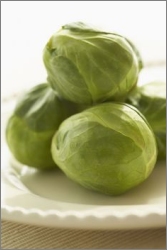
Brussels sprouts are, perhaps, the most loathed of all vegetables, ending up sneakily in countless children's napkins and eaten dutifully by many adults for no other reason than "they're good for me."

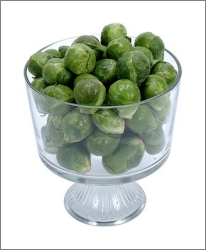
brussels sprouts

No one knows for sure where Brussels sprouts originally came from, but they were first mentioned around the late 16th century, and are thought to be native to Brussels, Belgium.

But while some do detest their sulphery smell and sometimes bitter flavor, others are delighted by their tiny, cabbage-like appearance and tempted by their versatile nature. Brussels sprouts are actually considered delicious by many, and if you're inclined to disagree, maybe it's because you've never tasted them fresh from the garden, right after a frost, when they're incredibly sweet and irresistible (Brussels sprouts are one of the few veggies that actually taste better after the first frost of the season ... which puts them ready to harvest just in time for Thanksgiving for much of the United States).

If you're still not sure Brussels sprouts are deserving of words like "sweet" and "delicious," travel to Rogersville, New Brunswick in July or August. You'll get to experience their annual Festival des choux de Bruxelles (Brussels Sprouts Festival) and maybe will catch on to some of their excitement.

In the meantime, here are some more practical reasons to make Brussels sprouts one of your dietary mainstays.

Brussels Sprouts are Incredibly Healthy

Brussels sprouts are a member of the cruciferous family of vegetables (along with broccoli, kale, turnips, Bok choy, cauliflower and more), which are widely known for their potent cancer-fighting compounds, which help detoxify carcinogens in the body and may prevent healthy cells from morphing into cancerous ones.

brussels sprouts

According to Belgium folklore, if you eat Brussels sprouts at the beginning of your meal, you won't get drunk!

There are at least a dozen compounds in Brussels sprouts and other cruciferous vegetables that have peaked scientists' interest, including sulforaphane, which triggers the liver to produce enzymes that detoxify cancer-causing chemicals, inhibits chemically-induced breast cancers in animal studies, and induces colon cancer cells to commit suicide, according to The World's Healthiest Foods.

Brussels sprouts specifically have been found to:

  • Decrease DNA damage, which may lower your risk of cancer

  • Reduce the development of pre-cancerous cells in the colon and liver

  • Help stop the proliferation of breast cancer cells, even in the later stages of growth

  • Lower your risk of bladder, lung and ovarian cancers

Brussels sprouts can even help to improve your skin (not to mention fight off infections), as they're rich in vitamin A and beta carotene. These tiny powerhouse also contain vitamin C, vitamin K, folate, manganese, fiber, potassium, vitamin B6 and thiamin (vitamin B1), iron, phosphorous, protein, magnesium, riboflavin (vitamin B2), vitamin E, copper and calcium.

Looking for Quick, Unique and Delicious Recipes?

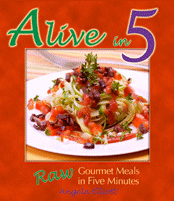
Alive in 5: Raw Gourmet Meals in Five Minutes

Alive in 5: Raw Gourmet Meals in Five Minutes is packed with delicious (and fast!) raw food recipes that your whole family will crave!

Simple Ways to Get the Most (Taste and Health Benefits) Out of Brussels Sprouts

Health wise organic Brussels sprouts are best as they have higher phytonutrient levels than conventionally grown varieties. It's also best to cook them only lightly (steaming works well for this), as this will help to retain the most phytonutrients and maximize their availability.

From a taste perspective, the way you prepare Brussels sprouts makes a big difference in their taste. Before cooking, always trim the base and cut an "x" in the bottom to allow it to cook evenly (you can also cut them in half). Steam them until they're tender, then season them with some butter, salt and pepper, or try them with olive oil, balsamic vinegar or even feta cheese. You can either leave them intact or cut off the base and separate the leaves (then toss them with seasonings and serve like a salad).

A favorite (and simple) holiday side dish, meanwhile, is roasted Brussels sprouts. Set the oven to around 400 degrees F, trim the Brussels sprouts then toss them with some olive oil and salt and pepper to taste. Roast them in the oven for about 40 minutes (or until the edges begin to brown slightly) and that's all there is to it.

Finally, do not overlook their deliciousness factor when eaten cold. You can toss cooked, cold Brussels sprouts with some olive oil, salt and lemon juice, or even a vinaigrette. If you want to be slightly more daring, but extremely cunning when it comes to your health, keep them on hand in the fridge to pop in your mouth as a quick salty snack. If cooked correctly and seasoned well, they can rival any potato chip or French fry when it comes to a salty craving.

Recommended Reading

The 11 Healthiest Autumn Fruits and Vegetables

Nine Foods that Help You De-Stress Quickly


Sources

The World's Healthiest Foods

TheWorldwideGourmet.com

Related Posts with Thumbnails